


What Happens When a Pastor Truly Leads in Prayer?
Honoring the Pastor Who Prays Continually
During Pastor Appreciation Month, we have recognized the many ways faithful pastors serve Christ and His church. We rightly appreciate pastors who preach the Word accurately, shepherd people compassionately, lead courageously, and serve sacrificially. But we should also pause to honor a quality that is sometimes less visible yet absolutely essential: a pastor who prays well.
Prayer AND the Word: Twin Priorities of Pastoral Ministry
For most pastors, the ministry of the Word is non-negotiable. They prepare diligently, preach consistently, protect their study time, and would never cancel sermons because they were too busy. They know that if they neglected preaching for weeks at a time, delegated it almost entirely to others, or rarely opened the Scriptures before their congregation, they would rightly lose credibility—and perhaps even their position. Yet prayer does not always receive the same priority.
Meaningful corporate prayer gatherings may be quietly abandoned. Prayer can be reduced to a few minutes at the beginning and end of meetings. The responsibility of leading the congregation in prayer may be largely delegated to others. Hours are devoted to sermon preparation while only minutes are invested in leading God’s people in biblical, participatory prayer.
Acts 6:4 presents no such imbalance. Faced with growing ministry demands and legitimate congregational needs, the apostles clarified their central calling: “But we will devote ourselves to prayer and to the ministry of the word.” They did not choose prayer over the Word—or the Word over prayer. They joined them as twin priorities of spiritual leadership. The ministry of the Word gives substance and direction to our prayers. Prayer brings our hearts into humble dependence on the Author of the Word and aligns them with His power and glory. Both are essential. For the apostles, prayer was not merely preparation for ministry. Prayer was ministry.
Imagine a pastor announcing, “We are suspending preaching this month because we have too much else to do.” The congregation would be understandably alarmed. Yet some churches have effectively suspended meaningful corporate prayer for months or even years without similar concern.
Biblical Leadership in Prayer
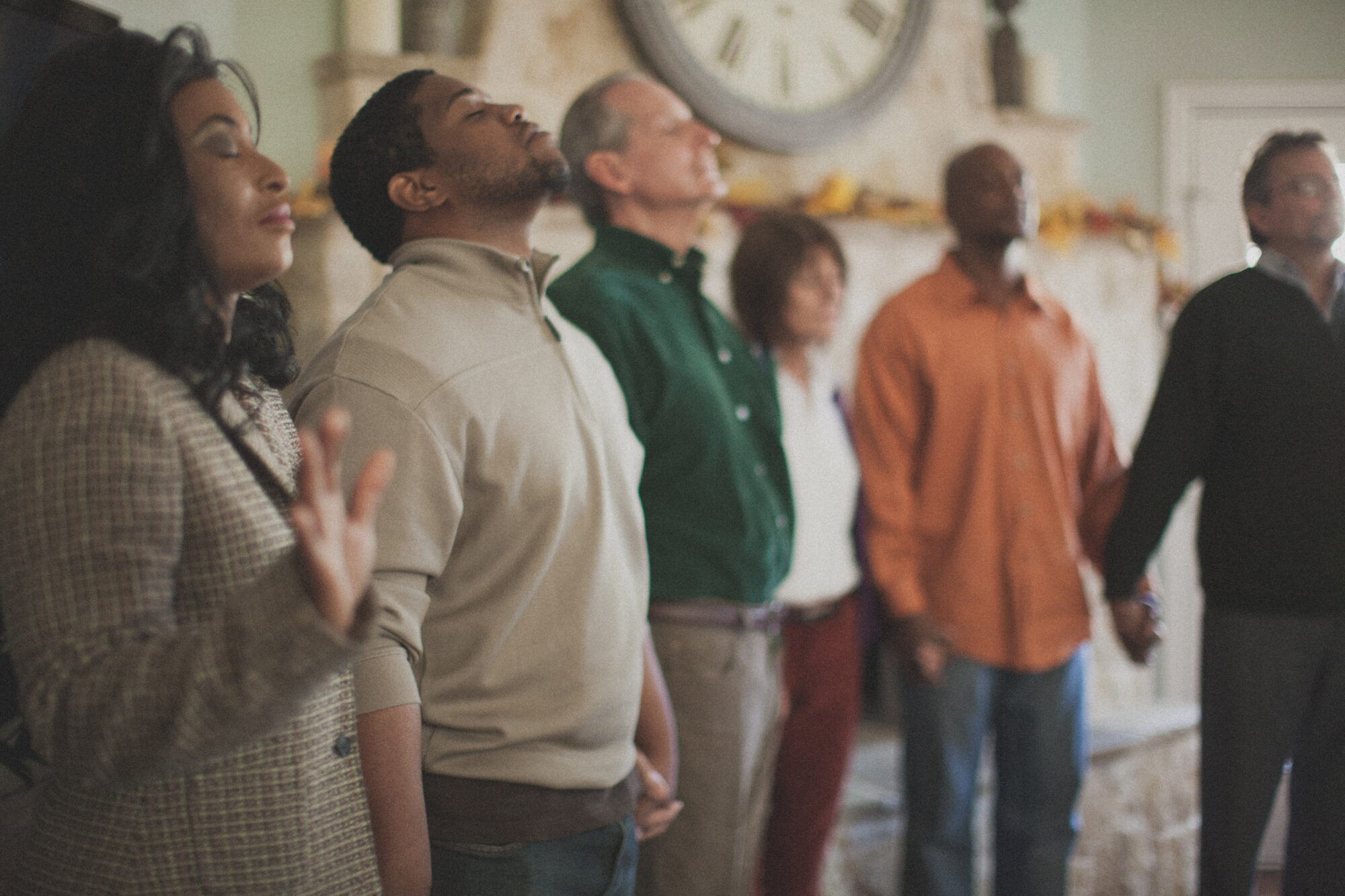
This is why we should honor the pastor who takes seriously the biblical balance of prayer and the Word. We honor the pastor who does more than cultivate his own private prayer life, as important as that is. We honor the pastor who personally and publicly leads his people in prayer.
Paul writes in 1 Timothy 2:1–2: “First of all, then, I urge that supplications, prayers, intercessions, and thanksgivings be made for all people, for kings and all who are in high positions.” The phrase “first of all” reveals priority. Paul was not merely encouraging individual Christians to pray privately. He was instructing Timothy about the church’s gathered life. Public, participatory prayer should occupy a prominent place when God’s people assemble.
A pastor who prays well understands this responsibility. He does not merely tell his congregation that prayer matters; he demonstrates it. He creates opportunities for God’s people to seek the Lord together. He teaches them how to pray from the Scriptures. He makes room for sincere, participatory, Spirit-led prayer—not as an occasional addition to ministry, but as an essential expression of ministry.
What Does Biblical Prayer Look Like?
To pray well, however, means more than dutifully presenting, promoting, and publicly remembering a list of needs. Bringing our needs before the Lord is biblical and important. Jesus taught us to ask for our daily bread, and Scripture repeatedly invites us to cast our cares upon God.
Beyond Transactional Prayer
But mature prayer seeks God’s face, not merely His hand. A praying pastor helps his people move beyond viewing prayer primarily as a way to persuade God to fix problems, change circumstances, heal sickness, or provide resources. These requests are appropriate, but they are not prayer’s ultimate destination. We might describe much of our praying as transactional prayer. We bring God a need and ask Him to act. This is good, but there is more.
Beyond Therapeutic Prayer
A pastor also leads his people in therapeutic prayer. Philippians 4 teaches us to bring our anxieties to God through prayer, supplication, and thanksgiving so that His peace may guard our hearts and minds in Christ Jesus. Prayer is one of God’s gracious provisions for our fears, burdens, and stress. This, too, is good—but there is still more.
Toward Transformational Prayer
The pastor who prays well leads his people toward transformational prayer. Second Corinthians 3:18 describes believers beholding the glory of the Lord and “being transformed into the same image from one degree of glory to another.” This is the greater destination of prayer. We do not merely seek God’s intervention or experience His consolation. We seek God Himself—and, in beholding Him, we are changed.
Prayer Is Intimacy With God That Fulfills His Purposes
A helpful definition of prayer is this: Prayer is intimacy with God that leads to the fulfillment of His purposes.
A helpful definition of prayer is this: Prayer is intimacy with God that leads to the fulfillment of His purposes.
Prayer begins with relationship, not requests. It is communion with the living God through Jesus Christ, shaped by His Word and empowered by His Spirit. As we draw near, He aligns our desires with His desires, our priorities with His priorities, and our lives with His purposes.
The Biblical Purpose of Prayer
This is why the New Testament repeatedly reveals the “so that” of prayer. We pray so that we become more like Christ. We pray so that believers are strengthened in faith and love. We pray so that doors are opened for the gospel. We pray so that the Word of the Lord advances. We pray so that we serve others faithfully. We pray so that Christ is glorified through our lives. Prayer is not ultimately about getting God to fulfill our purposes. It is about God transforming us so that we may fulfill His.
Prayer is not ultimately about getting God to fulfill our purposes. It is about God transforming us so that we may fulfill His.
Honor the Pastor Who Leads His Church in Prayer
So, during Pastor Appreciation Month, let us honor pastors who pray well. Let us thank God for shepherds who devote themselves to both prayer and the ministry of the Word. Let us appreciate those who courageously restore corporate prayer to its rightful place in the church. Let us encourage pastors to teach their people to move beyond transactional and therapeutic prayer toward transformational communion with God.
Let us encourage pastors to teach their people to move beyond transactional and therapeutic prayer toward transformational communion with God.
And let us pray for our pastors. It is hard to be both a loving intercessor and a harsh critic at the same time. Pray that they will seek God’s face before His hand, lead from the overflow of intimacy with Christ, and help their people discover the life-changing power of Scripture-fed, Spirit-led, worship-based prayer.
Let us pray for our pastors. It is hard to be both a loving intercessor and a harsh critic at the same time.
Churches rarely rise above their pastor’s personal passion for prayer and the Word. But when shepherds embrace both as central to their calling, God’s people learn to seek Him together. Lives are transformed. The gospel advances. Christ is glorified.
A pastor who prays well gives his people more than answers to their needs. He helps lead them into God’s purposes and transforming power. That is a pastor worthy of our gratitude, encouragement, and honor.
© 2026 Daniel Henderson. All rights reserved.
 Skip to content