


What Does Jesus Mean by the Bread of Life? (John 6 Explained)
A clear explanation of how Jesus satisfies spiritual hunger and offers lasting fulfillment
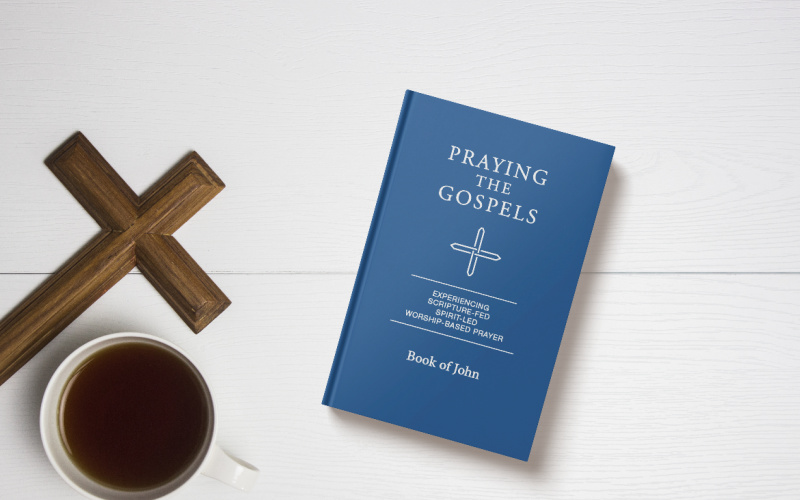
(This devotional is excerpted from Praying the Gospels: Book of John, our brand-new resource in Scripture-fed, Spirit-led, worship-based prayer. Like its predecessor, Praying the Psalms, this book will introduce you to—or strengthen—an approach to prayer that is biblical and life-giving. Each section of the book will include a helpful summary along with a biblical guide for prayer. Praying the Gospels: Book of John will release late spring 2026.)
John 6:22-59
Having fed the large crowd of over five thousand people, Jesus sent His disciples away by boat and made His own way to Capernaum. John tells us that once the crowd realized Jesus was gone, they too “went to Capernaum, seeking Jesus” (v. 24). But, when they found Him, Jesus exposed their motive in seeking Him—to get more of the material blessings He miraculously provided (v. 26). They were excited about Jesus and wanted more of Jesus, but they did not yet understand who Jesus truly was, nor that Jesus had come to do something even greater for them. Many people today seek after Jesus, but only when convenient for them and when they need something immediate and material from Jesus. But true followers of Jesus seek Him because He alone is the source of true life and eternal satisfaction (vv. 26-27).
Pause and consider how often your own motivations mirror those of the crowd. We run to Jesus in crisis, when bills pile up, when relationships fracture, or when an opportunity presents itself—and we hope for a miraculous fix. That impulse is understandable; God is compassionate and hears our cries. Yet Jesus calls us to move from crisis-only faith to a continual dependence born of understanding who He is. Ask yourself: do you seek Jesus for what He gives, or because you have come to know Him as the One who satisfies the deepest longings of your heart? The difference is life-changing. When your devotion is fueled by relationship rather than utility, worship becomes durable, peace becomes steady, and decisions align with Jesus’ priorities even when there’s no immediate payoff.
When your devotion is fueled by relationship rather than utility, worship becomes durable, peace becomes steady, and decisions align with Jesus’ priorities even when there’s no immediate payoff.
Like many people today, the crowd wanted another sign from Jesus in order to believe in Him (v. 30). With the miraculous feeding of the 5,000 still in the rear view, they recall the sign of manna, which they attributed to Moses, when the Israelites were in the wilderness after leaving Egypt. Jesus clarifies that God is the one who deserves the glory, not Moses; and in contrast to the manna God gave in the wilderness that was only good for a day, God was now offering a new bread from heaven—namely, Jesus Himself. “I am the bread of life; whoever comes to me shall not hunger, and whoever believes in me shall never thirst” (v. 35).
This is an invitation and a challenge: do we chase after signs, or do we rest in the Sign who is Himself the answer? In everyday life, we are tempted to measure God by outcomes—jobs secured, health restored, relationships mended. Those things matter, but Jesus asks us to value the source above the signs. Practically, this means cultivating habits that deepen your relationship with Christ: regular prayer that is not only petition but listening; Scripture reading that seeks to know Jesus rather than only extract promises; worship that centers on gratitude, not just requests. Over time, these practices reorient our hearts so that our faith persists through seasons when visible blessings wane.
Despite the sign Jesus already performed in multiplying the five loaves and two fish, many refused to believe that Jesus was the Messiah. However, truth does not change simply because people reject the truth. So, Jesus states again that He is “the bread of life” (v. 48), “the living bread that came down from heaven” (v. 51), and the only source of eternal life (vv. 47, 50-51, 58). Physical bread can satisfy physical hunger; but only Jesus can satisfy our spiritual hunger for a right relationship with God. Without our spiritual hunger being satisfied in Jesus, our souls will never experience true and lasting satisfaction.
Without our spiritual hunger being satisfied in Jesus, our souls will never experience true and lasting satisfaction.
This reality invites honest self-examination. Where do you look when you feel empty? Toward ministry success, relationships, wealth, status, or even busyness? These can fill time and temporarily ease the ache, but they do not heal the soul. Choosing Jesus as your true sustenance transforms how you pursue everything else: work becomes stewardship, relationships become ministry, success becomes a platform for service. When Jesus feeds your soul, your ambitions gain a healthy perspective—no longer frantic grabs for meaning but steady steps toward calling and compassion.
When Jesus feeds your soul, your ambitions gain a healthy perspective—no longer frantic grabs for meaning but steady steps toward calling and compassion.
We need food. We need water. We need clothing and shelter. We need money. We want comfort and ease. We want cool experiences. These can all be gifts from God; but our truest needs go much deeper than material things. If we have everything material we could ever need or want, but we do not have Jesus, we have nothing in the end. Only Jesus gives us what we need most—forgiveness of our sin and the guaranteed hope of eternal life.
Let this truth shape your daily priorities. Budget time and resources for spiritual growth as you would for any important investment. Choose a community that encourages your faith rather than drains it. Practice gratitude in the small things so your heart learns to recognize God’s provision before a crisis hits. When emergencies come—and they will—your faith will not be a last resort but a steady foundation that keeps you anchored.
Practice gratitude in the small things so your heart learns to recognize God’s provision before a crisis hits.
We were made for a relationship with God. Until this relationship with God is restored through faith in Jesus, the true bread from heaven, our souls will never be satisfied. Furthermore, only in the daily abiding with Jesus will we find joy and satisfaction in each moment. So, please take your time as you now abide with Jesus in prayer.
PRAYER GUIDE (John 6:22-59)
Reverence – Identify and celebrate God’s praiseworthy attributes.
- Jesus is the one sent by God to give us eternal life. – v. 33
- He is the bread of life who satisfies the spiritual hunger in our souls. – v. 35
- God the Father wills, and Jesus has the power, to keep us in relationship with Him. – v. 39
- Jesus is the source of eternal life. – v. 40
- He is the only one who can satisfy our spiritual hunger for God. – v. 53
Prayer Prompts
- Jesus, thank You for helping me believe in You when I was … (v. 29)
- Jesus, thank You for satisfying my longing for … (v. 35)
- Jesus, You continue to satisfy me each day with Your … (v. 35)
Response – Surrender to Him and His ways.
- Lord, I confess, I’m trying to find my satisfaction in … rather than You. (v. 49)
- Jesus, today I need You to satisfy my desire for … (v. 35)
- Lord, I renew my commitment to feast upon You each day so that … (vv. 56-58)
Requests – Ask the Spirit to guide prayer over concerns, resources, and relationships.
- Jesus, please help (name) experience You as bread from heaven. (vv. 32-34)
- Lord, help us again to find satisfaction in Your … (v. 35)
- Jesus, help (name) abide in You and find complete satisfaction. (vv. 56-57)
Readiness – Encouragement and strength for spiritual battle.
- Lord, satisfy us with You so that we no longer hunger for … (v. 26)
- Lord, let us not confuse the temporary manna of … with the permanent satisfaction of Your life. (vv. 32-33)
- Jesus, when I am tempted to believe that “the good life” can be found in …, turn my heart to You. (v. 58)
Memorize and meditate on verse 35.
Copyright © 2026 Jeremiah Porter. All rights reserved.
 Skip to content