


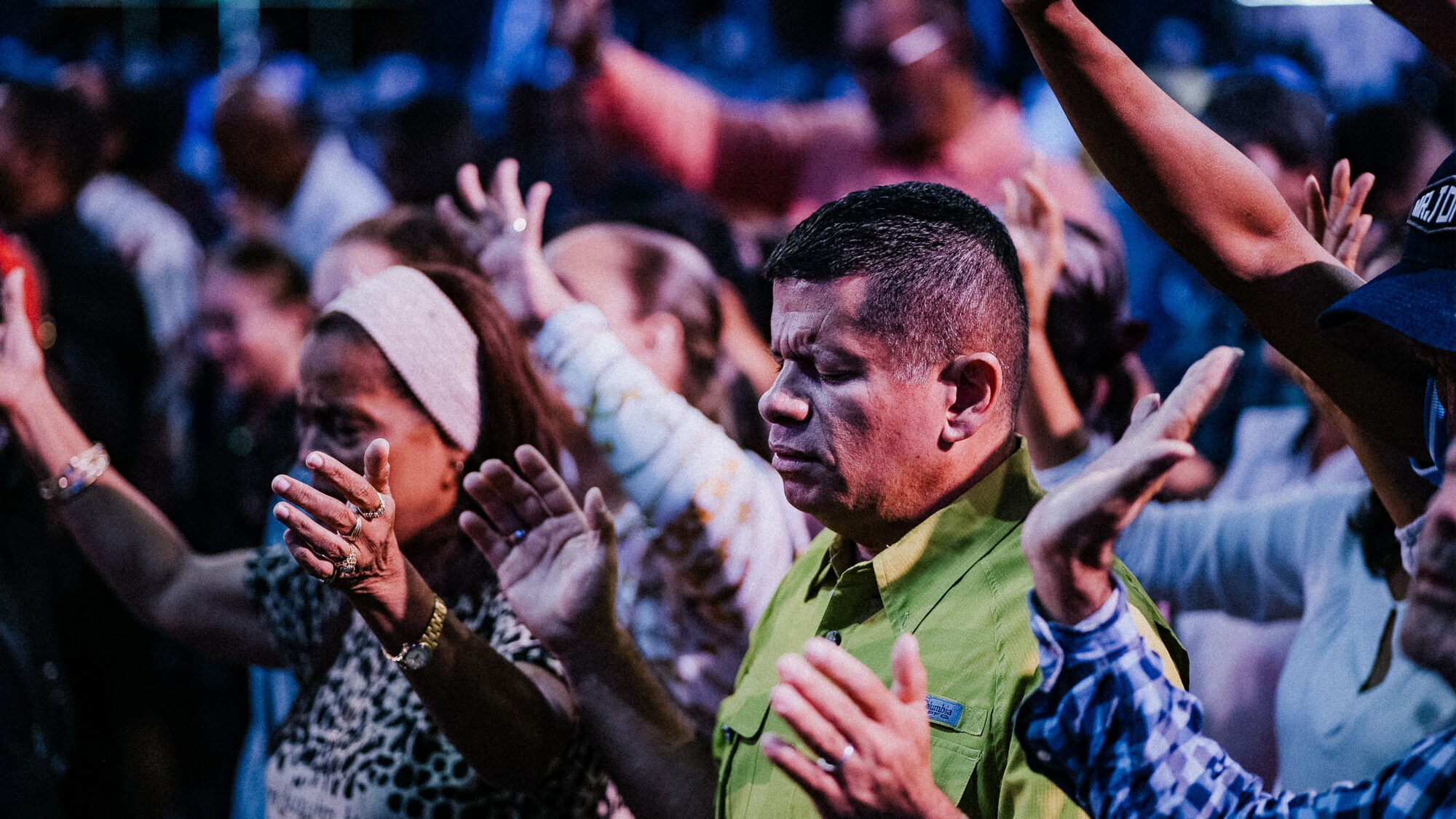
What Happens When a Church Commits to Prayer
Every church wants to make a lasting impact.
Leaders invest countless hours into preaching, discipleship, outreach, children’s ministry, leadership development, and caring for people. These are all good and necessary pursuits. Yet many pastors and church leaders quietly ask the same question:
Why does ministry still feel so heavy?
We quickly look for the solution and decide we somehow need to do more, or maybe less, or maybe try doing all the same things with a better method. But the real answer is found in returning to what God established from the very beginning. Throughout Scripture, we see that lasting and fulfilling fruit in ministry – the kind that satisfies our souls – can only come from abiding. Prayer was never intended to be an accessory to ministry, like it is so often treated. It was meant to be its foundation. When a church commits to prayer, everything begins to change.
Prayer Changes People Before It Changes Programs
Many churches look for transformation by introducing a new program, strategy, or initiative. While those can be helpful, lasting renewal begins much deeper.
A praying church develops a different culture.
People become more dependent on God than their own abilities. Decisions are shaped by seeking God’s wisdom instead of reacting to circumstances. Worship becomes more authentic because hearts are already prepared before anyone walks into the sanctuary.
Prayer shifts our approach from striving to surrender.
That doesn’t mean challenges disappear. It means the church learns to face them with confidence because its foundation is no longer built on it’s own activity, but on God’s presence.
Prayer Creates Unity Around What Matters Most
Every church experiences differences of opinion. Every leadership team navigates difficult decisions. Every congregation encounters seasons of uncertainty.
Prayer has a remarkable way of bringing people back to a shared, Christ-exalting purpose.
When leaders and congregations consistently seek God together, personal agendas begin to fade. Conversations become more gracious. Decisions become more discerning. Relationships become healthier because everyone is pursuing the same voice instead of competing opinions.
Unity isn’t created by avoiding conflict. It’s cultivated by pursuing Christ together.
Prayer Gives Leaders Greater Clarity
Pastors carry enormous responsibility. There are sermons to prepare, people to shepherd, crises to navigate, staff to lead, and countless expectations to manage. Without intentional prayer, it’s easy for urgency to replace discernment.
Prayer creates space for leaders to remember what God has actually called them to do. Instead of constantly reacting, they begin responding with wisdom. Instead of carrying every burden alone, they lead from a place of dependence. This isn’t simply healthier leadership. It’s biblical leadership.
Prayer Produces Spiritual Growth That Programs Cannot
Healthy churches certainly value great teaching, meaningful discipleship, and effective ministry. But none of those produce lasting transformation apart from the work of the Holy Spirit. Prayer invites God to do what only He can do. It softens hearts. It strengthens faith. It deepens repentance. It creates genuine hunger for God’s Word.
As people grow in their personal relationship with Christ, the entire church begins reflecting His character more clearly. Spiritual maturity becomes more than acquiring information. It becomes visible in how people worship, serve, forgive, and love one another.
Prayer Builds a Church That Can Endure
Every church will face seasons of difficulty. Leadership transitions. Community challenges. Cultural pressure. Unexpected hardship. Churches rooted in prayer are not immune to these realities, but they are prepared for them.
A church that consistently seeks God develops resilience because its confidence is anchored in Him rather than changing circumstances. That kind of resilience doesn’t happen overnight.
It is cultivated one prayer gathering, one leadership meeting, one worship service, and one faithful act of dependence at a time.
The Journey Begins with One Decision
No church becomes prayer-centered by accident. It begins when leaders decide that prayer deserves its rightful place at the heart of ministry.
That decision influences every area of church life, from leadership meetings and worship services to discipleship and outreach. Over time, the results become evident through greater unity, clearer direction, deeper spiritual growth, and a healthier church culture.
This is not about adding another ministry. It’s about strengthening a consistent foundation beneath every ministry.
Continue the Conversation at the Resilience Conference
Building a culture of prayer doesn’t happen through inspiration alone. It happens through biblical teaching, practical encouragement, and relationships with others who are pursuing the same vision.
The Resilience Conference exists to equip pastors, church leaders, and disciples in any ministry to cultivate a church where prayer is central, not secondary.
If you long to see your church become more rooted, more unified, and more resilient, we invite you to join us.
You’ll hear practical insights, connect with like-minded leaders, and discover how Strategic Renewal is helping churches across the country reclaim the biblical priority of prayer.
Whether you’re attending the conference for the first time or looking for ongoing support afterward, Strategic Renewal is here to walk alongside you through the 6:4 Fellowship, 6:3 Discipleship, and personalized coaching designed to help prayer become more than an event. Together, it can become the culture of your church.
Continue your journey:
- Explore Strategic Renewal to discover resources for your church.
- Learn about the 6:4 Fellowship for pastors committed to prayer-centered leadership.
- Discover 6:3 Discipleship resources that equip believers to strengthen their churches.
- Register for the Resilience Conference and experience this vision alongside other church leaders.
- Explore Strategic Renewal Coaching for ongoing encouragement and practical implementation.
When a church commits to prayer, it doesn’t simply change its schedule. It changes the world.
 Skip to content